
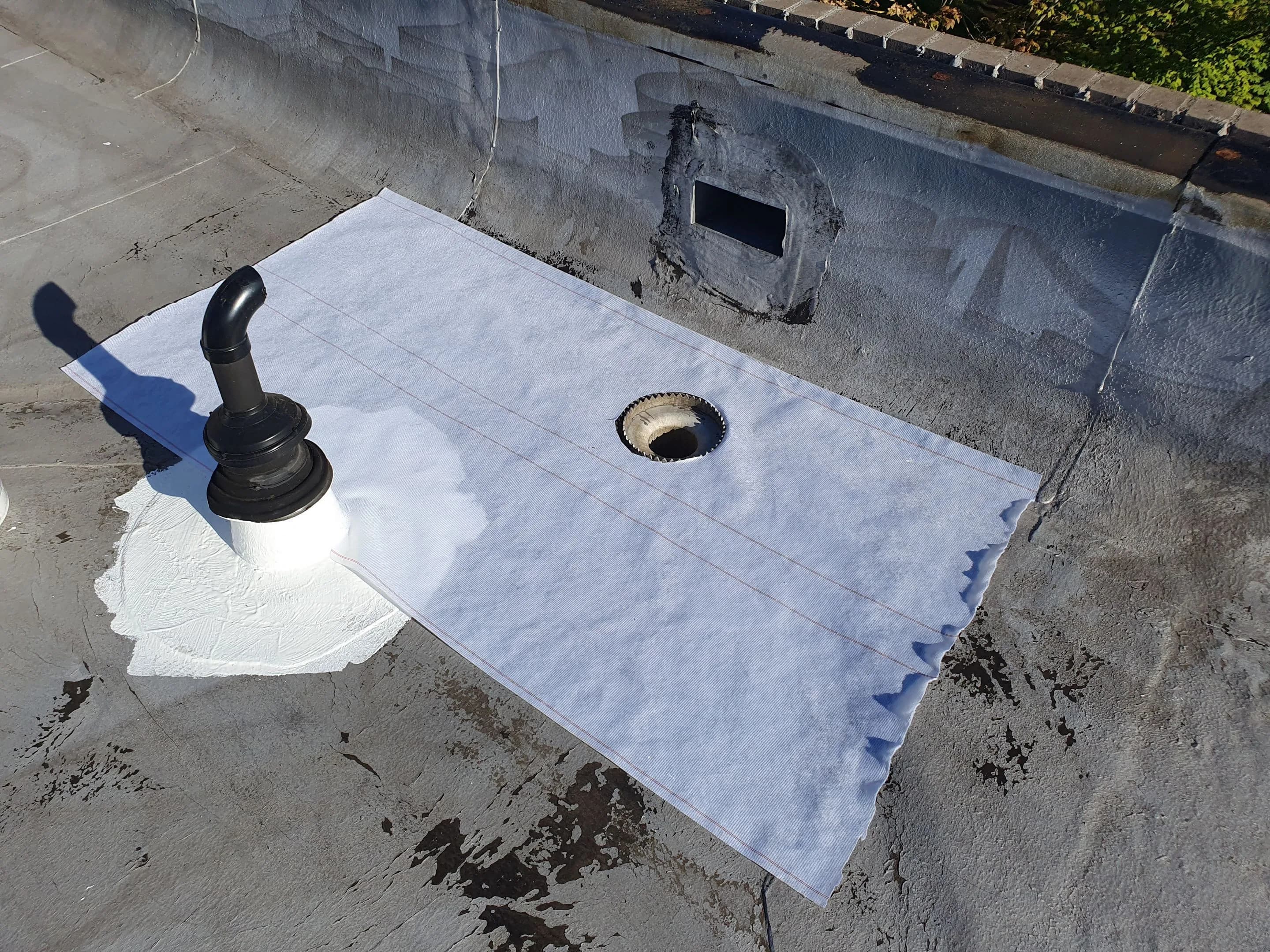
01
A new or replacement roof is being planned
The deck, thermal layers, attachment, field membrane, drainage, perimeter, and rooftop details need to be coordinated before a TPO assembly is selected.
Plan the membrane, seams, attachment, insulation, drainage, edges, and penetrations as one commercial TPO roof system for properties across Portland, Vancouver, and the I-5 corridor.
Thermoplastic polyolefin, or TPO, is a reinforced single-ply membrane used on commercial low-slope roofs. Adjacent sheets are joined with hot-air-welded seams, while manufacturer-specific accessories and details complete penetrations, curbs, edges, walls, and drains.
A responsible scope also accounts for the roof deck, insulation, cover board where specified, attachment method, drainage, perimeter securement, and the conditions below the roof. Those connected decisions determine whether TPO fits the building and how the work should be built.
The deck, thermal layers, attachment, field membrane, drainage, perimeter, and rooftop details need to be coordinated before a TPO assembly is selected.
Open seams, punctures, failed flashings, drainage problems, wet materials, and damaged substrate can require very different repair or replacement paths.
Building use, exhaust, rooftop traffic, existing materials, attachment needs, project constraints, and long-term roof plans should decide the system—not one feature in isolation.
The membrane family may be the same, but new construction, focused repair, and reroofing do not share one universal scope.
Start with the deck, insulation and cover-board strategy, attachment, drainage, wind-related design criteria, rooftop details, and the selected manufacturer assembly.
Trace the failure path, inspect seams and details, identify moisture or substrate damage, and use compatible materials for the condition being repaired.
Determine whether the existing roof can remain, what must be removed or rebuilt, and how the proposed TPO assembly will integrate with edges, drains, penetrations, and transitions.
Flat Roof LLC starts with conditions that affect the full assembly, then carries the selected system through field membrane, welded seams, transitions, drainage, and closeout documentation.
Review the existing assembly, visible membrane condition, leak history, deck or substrate concerns, drainage, penetrations, edges, equipment, access, and building operations.
Coordinate supporting layers, attachment, membrane, flashings, terminations, drainage details, and project-specific requirements rather than selecting the sheet alone.
Prepare the approved surface, place and secure the membrane, hot-air weld field seams, and complete manufacturer-specific details at transitions and penetrations.
Check seams and completed details, review drainage paths and finished conditions, address closeout items, and retain useful installation records and photos.
Not every project uses the same stack or attachment method. These are the connected parts that need to be identified before the final scope is set.
Identify the supporting surface, its condition, fastening capacity, damaged areas, transitions, and any preparation or reconstruction needed before roofing work proceeds.
Coordinate insulation, existing moisture conditions, vapor-related requirements, and tapered components where they are part of the project design.
When specified, the cover board becomes part of the approved substrate and can influence compatibility, protection, attachment, and finished membrane support.
The approved assembly may use mechanically attached, adhered, induction-welded, or another manufacturer-recognized approach suited to the project requirements.
Field seams, T-joints, walls, curbs, pipes, drains, scuppers, edges, and transitions require compatible accessories and controlled hot-air welding.
Slope, low areas, drainage paths, overflow, equipment routes, and recurring rooftop traffic shape details and protection around the finished roof.
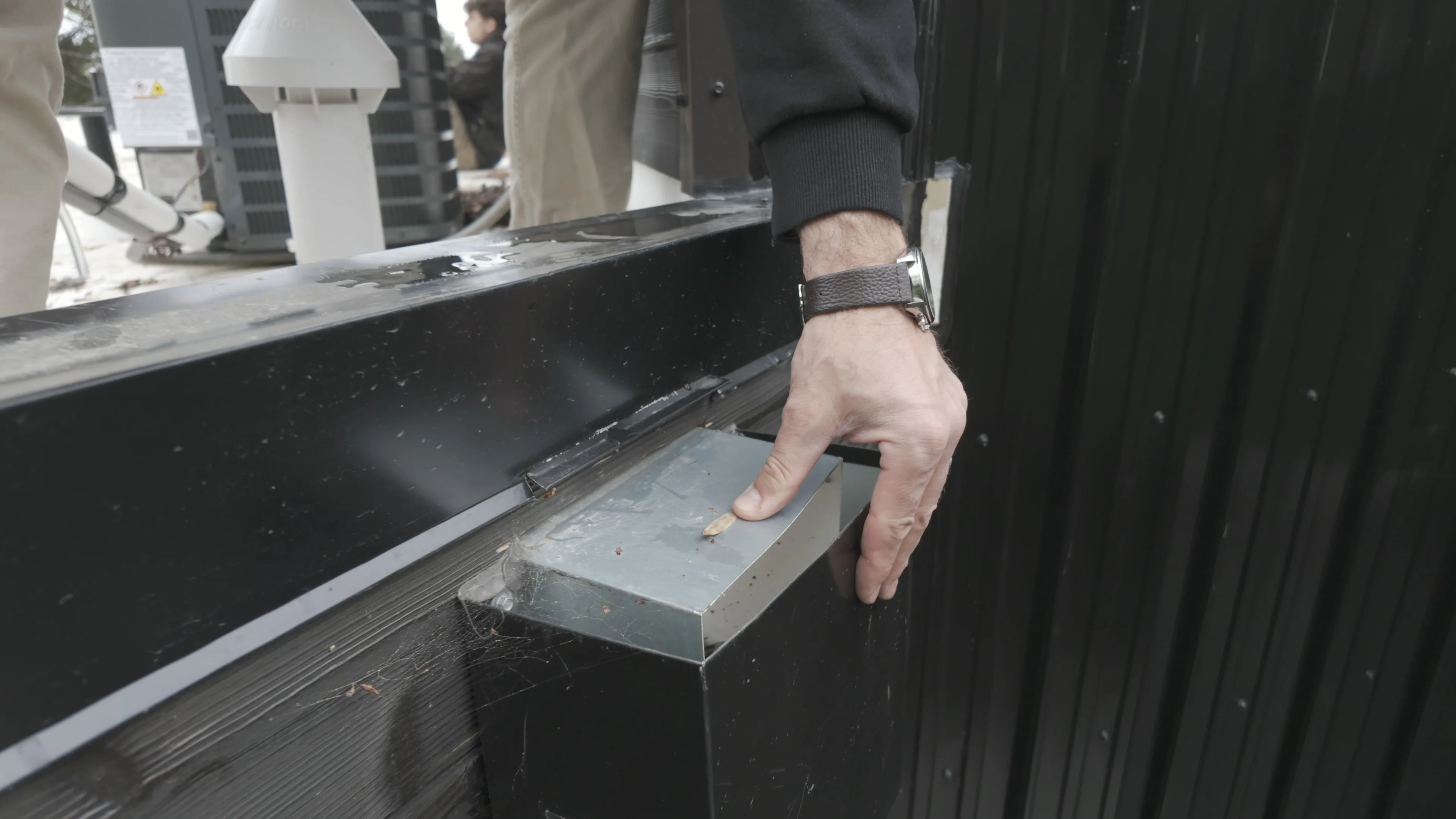
The scope should explain what stays, what changes, how the new work connects to the building, and which conditions must be addressed before the field membrane is installed or repaired.
Commercial TPO work can affect access, staging, rooftop equipment, tenants, deliveries, and interior operations. Those constraints belong in the project plan before membrane work begins.
Flat Roof LLC can coordinate roof and interior access, document conditions before and during the work, and keep the property team informed as the scope moves from assessment through closeout.
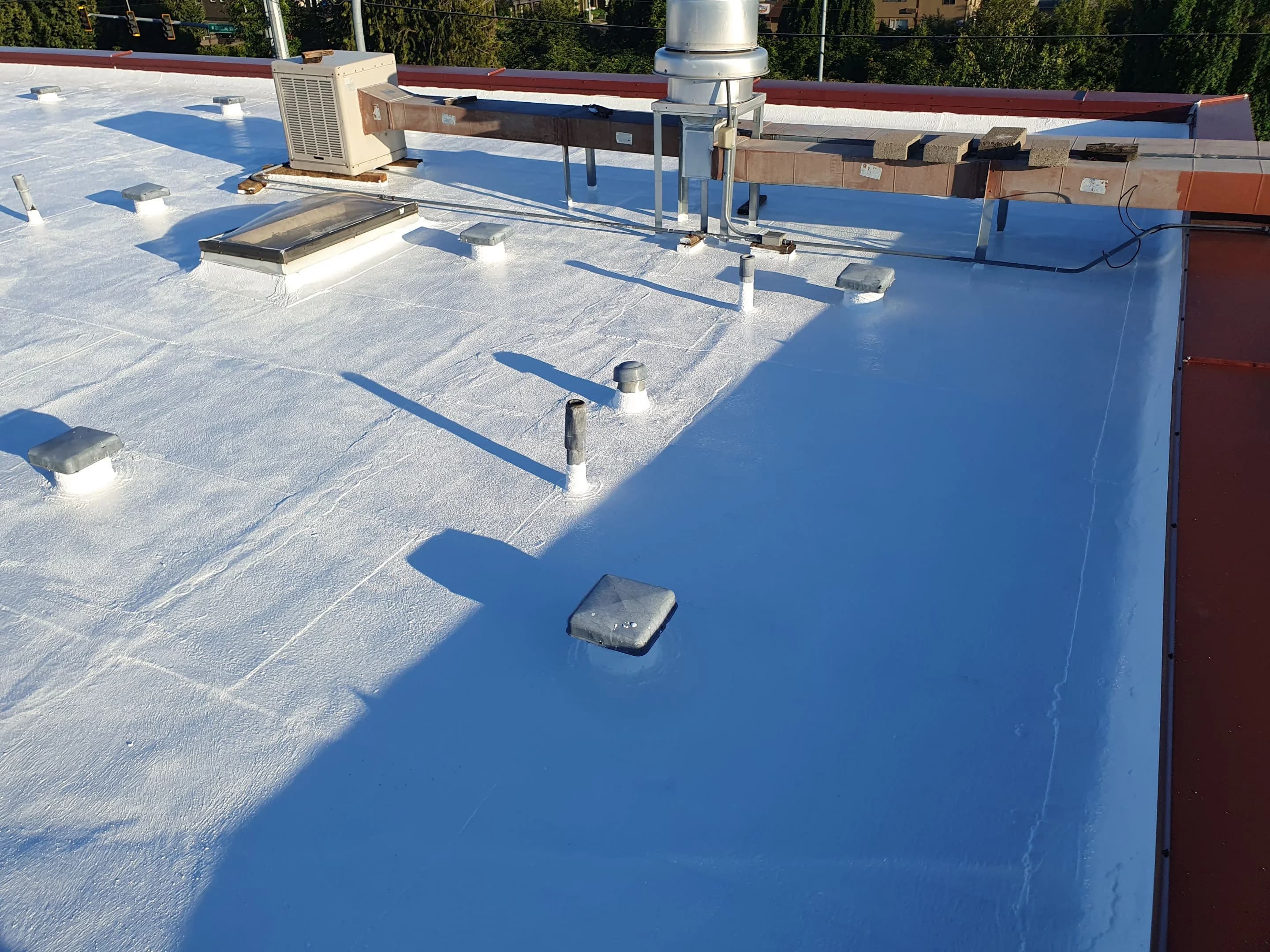
TPO can be a strong commercial low-slope option, but it is not the automatic answer for every existing roof, building use, or project goal. The comparison should happen before the system is specified.
Compare all service pathsA useful proposal begins with the existing roof, the building, and the intended project path. The membrane name alone cannot define the final scope, price, or warranty.
Talk with Flat Roof LLC(971) 339-4299TPO is a reinforced thermoplastic single-ply roofing membrane used in commercial low-slope roof systems. The sheets are joined with hot-air-welded seams. The complete roof also includes the supporting substrate or deck, thermal layers, attachment, flashings, terminations, penetrations, perimeter, and drainage details specified for the project.
Often, but repairability depends on the failure, membrane and detail condition, moisture, substrate, prior work, and whether compatible materials can be used. Flat Roof LLC traces the likely entry path and reviews the surrounding assembly before defining a focused repair or a broader scope.
A TPO overlay or recover may be possible when the existing roof, moisture conditions, deck, attachment, height and edge details, penetrations, drainage, code requirements, and selected manufacturer assembly support it. Existing conditions should be assessed before assuming the roof can remain in place.
TPO field seams are joined with controlled hot air and pressure. Welding conditions, membrane cleanliness, equipment settings, test welds, seam intersections, and flashing details all matter. The finished seams and critical details should be checked as part of installation quality control.
TPO and PVC are different thermoplastic single-ply membrane families whose field seams are joined with hot air. EPDM is a thermoset synthetic-rubber membrane whose seams and details use manufacturer-specific tapes, adhesives, and accessories. Building use, rooftop exposure, existing materials, details, attachment, project requirements, and current product documentation should guide the comparison.
No. A reflective membrane surface can affect solar heat gain, but actual roof and building performance depends on the selected product, insulation, climate, roof condition, and building operation. Color also does not correct slope, low areas, blocked drainage, or poorly detailed drains and scuppers.
No fixed lifespan or warranty should be assumed from the membrane name alone. Product, thickness, assembly, attachment, details, installation, exposure, drainage, traffic, maintenance, project eligibility, contractor status, and current manufacturer documents can all affect available coverage and service life.
Maintenance should follow the selected manufacturer system and the property’s roof plan. Typical priorities include documented inspections, keeping drains and scuppers clear, watching seams and flashings, checking penetrations and perimeter details, controlling rooftop traffic, and reviewing the roof after work by other trades or significant weather events.
Roof area is only one input. Tear-off or overlay eligibility, wet materials, deck repair, insulation, cover board, attachment, membrane selection, perimeter, penetrations, equipment, drainage work, access, staging, occupied-building constraints, and project-specific design or code requirements can all change the scope.
Share the property address, building use, known roof system and age, leak or drainage concerns, prior work, rooftop equipment, access, and whether the goal is repair, overlay, replacement, or a new assembly.