
01
Small issues keep becoming urgent calls
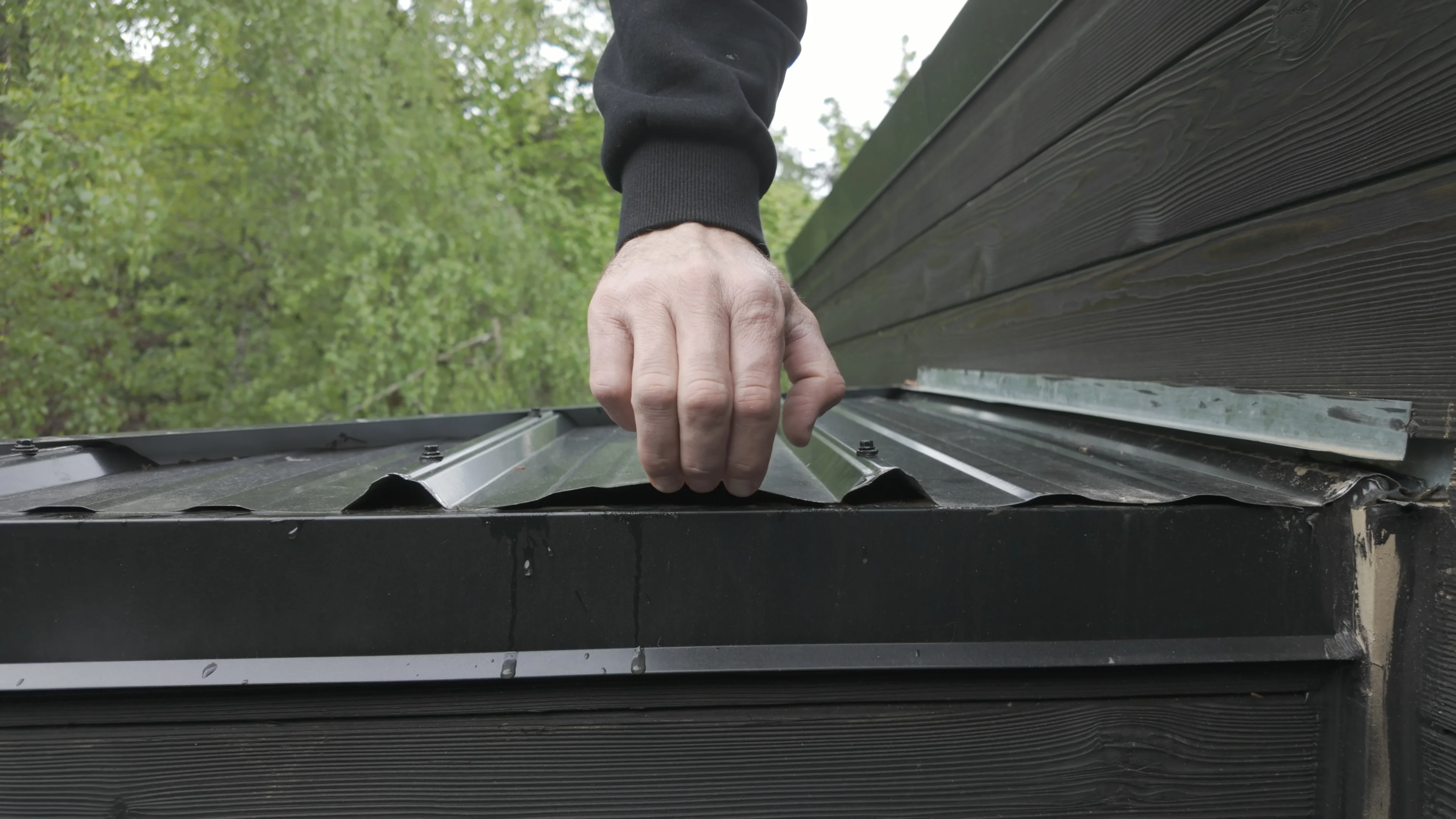
Open details, debris, drainage restrictions, punctures, and minor damage are easier to plan around when they are found before water shows up inside.
Replace the wait-for-a-leak cycle with a repeatable roof-management plan built around documented inspections, drainage and housekeeping, repair priorities, and the next scheduled review.
Commercial roofs change between major projects. Weather, rooftop trades, equipment work, debris, drainage restrictions, foot traffic, and aging details can create new concerns even when the main roof system remains serviceable.
Flat Roof LLC builds maintenance around a documented baseline. Each planned visit reviews the accessible roof, identifies current priorities, tracks earlier findings, and helps the property team decide what needs work now, what should be watched, and what belongs in a longer capital plan.
Open details, debris, drainage restrictions, punctures, and minor damage are easier to plan around when they are found before water shows up inside.
Photos, findings, repair records, and watch items give property teams a clearer baseline than relying on memory after each visit.
Annual, bi-annual, or quarterly options can be considered based on the roof condition, building use, access, exposure, and management needs.
A maintenance plan should make each visit useful on its own while preserving the history needed to spot change, organize repairs, and support future capital decisions.
Record the known system, access, visible condition, leak and repair history, drainage, rooftop equipment, traffic areas, and existing watch items.
Review accessible fields, seams, flashing, penetrations, curbs, edges, drains, scuppers, surface damage, debris, and other relevant conditions.
Separate active or near-term repair needs from housekeeping items, watch conditions, and work that may belong in a broader roof plan.
Carry the updated record forward and choose an annual, bi-annual, quarterly, or condition-specific follow-up cadence for the property.
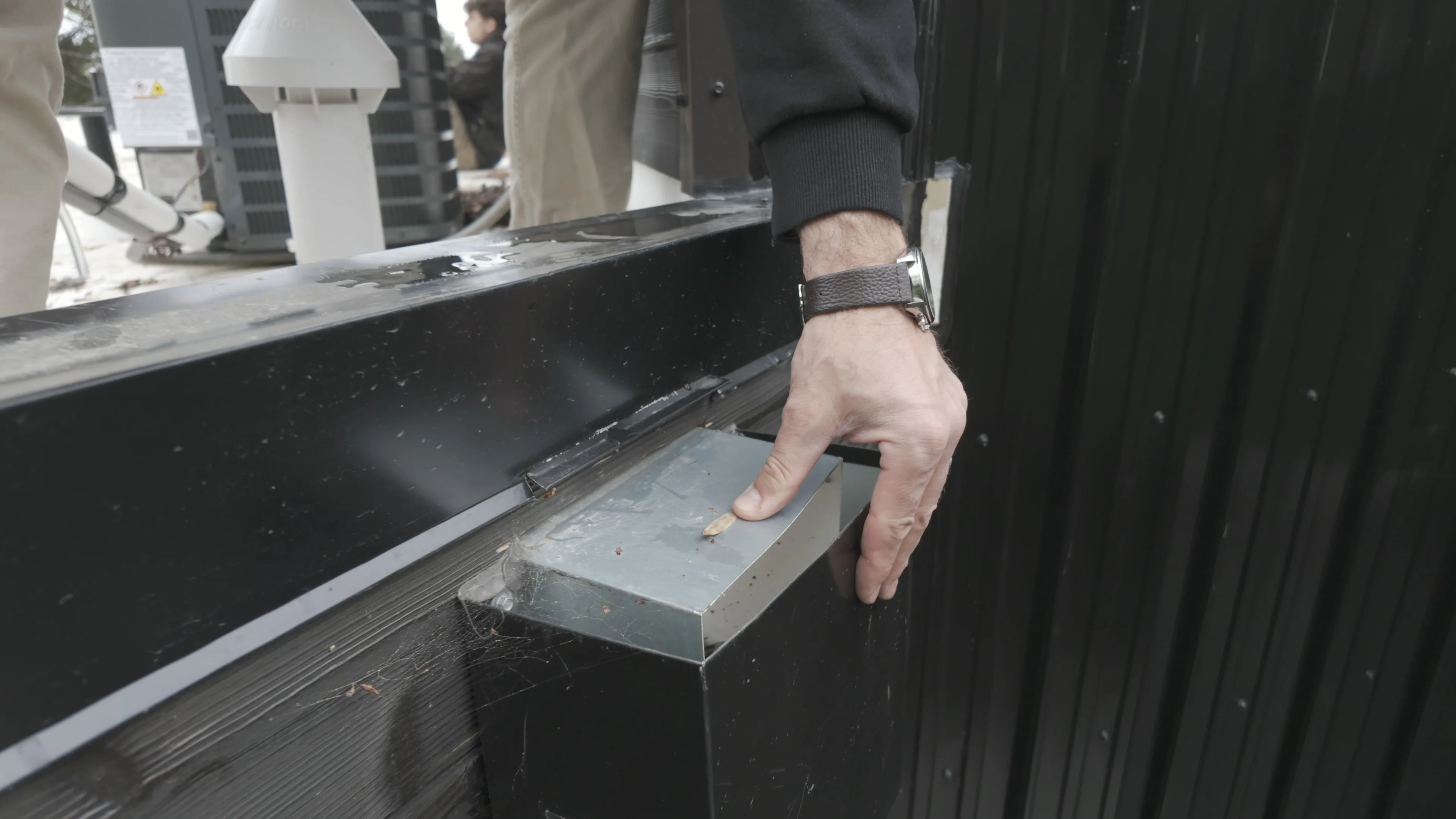
The exact checklist follows the roof system and property. Maintenance is not a promise that every concealed condition will be found; it is a practical way to document accessible conditions and act on visible priorities sooner.
A planned maintenance path can organize care, repairs, and monitoring when the roof remains reasonably serviceable. Active leaks, wet or deteriorated materials, widespread failures, unsafe conditions, or larger ownership goals may require repair, restoration, overlay, or replacement instead.
Compare all service pathsA useful plan makes the visit frequency, inspection scope, documentation, included work, and repair-approval process clear before the first interval begins.
Talk with Flat Roof LLC(971) 339-4299Flat Roof LLC offers annual, bi-annual, and quarterly maintenance-plan options. The responsible interval depends on the roof system and condition, building use, rooftop traffic, exposure, drainage, prior problems, and the property team's needs.
A visit can review accessible roof surfaces, seams, flashing, penetrations, curbs, edges, drains, scuppers, debris, ponding indicators, prior repairs, and other property-specific concerns. Findings and priorities should be defined in the maintenance scope for that building.
Inspection and documentation do not automatically mean every repair is included. Minor work, housekeeping, and larger repairs should be identified in the agreed plan or quoted separately so the property team knows what the visit covers.
Possibly. Maintenance plans are usually strongest for existing Flat Roof LLC customers because the roof history is already known, but another commercial roof can be considered after the system, condition, access, records, and maintenance needs are reviewed.
No. Maintenance can help identify accessible concerns and organize timely work, but no inspection can guarantee that a roof will not leak or reveal every concealed condition. Call first when water is actively entering the building.
Share the property, known roof system and age, leak or repair history, current concerns, rooftop access, equipment, tenant or operating constraints, and preferred planning cadence. Flat Roof LLC can then discuss whether a maintenance plan fits and what the first assessment should cover.