
01
Water is affecting occupied space
Active dripping, wet ceiling materials, slippery floors, or water near equipment can disrupt tenants, patients, staff, inventory, and normal building operations.
Water is entering a commercial building now. Protect people and operations first, then call for business-hours triage across the Salem-to-Olympia I-5 corridor.
The first few minutes belong to the building team. Stay off the roof, follow the property’s emergency procedures, and keep the response focused on conditions you can manage safely from inside.
Isolate wet floors, ceiling materials, and any area where water may be affecting lights, electrical equipment, or building systems. Escalate immediate life-safety concerns through the property’s emergency process.
Move or cover vulnerable inventory, electronics, records, and equipment only when it can be done safely. Do not climb onto a wet roof or puncture ceiling or roof materials to chase the water.
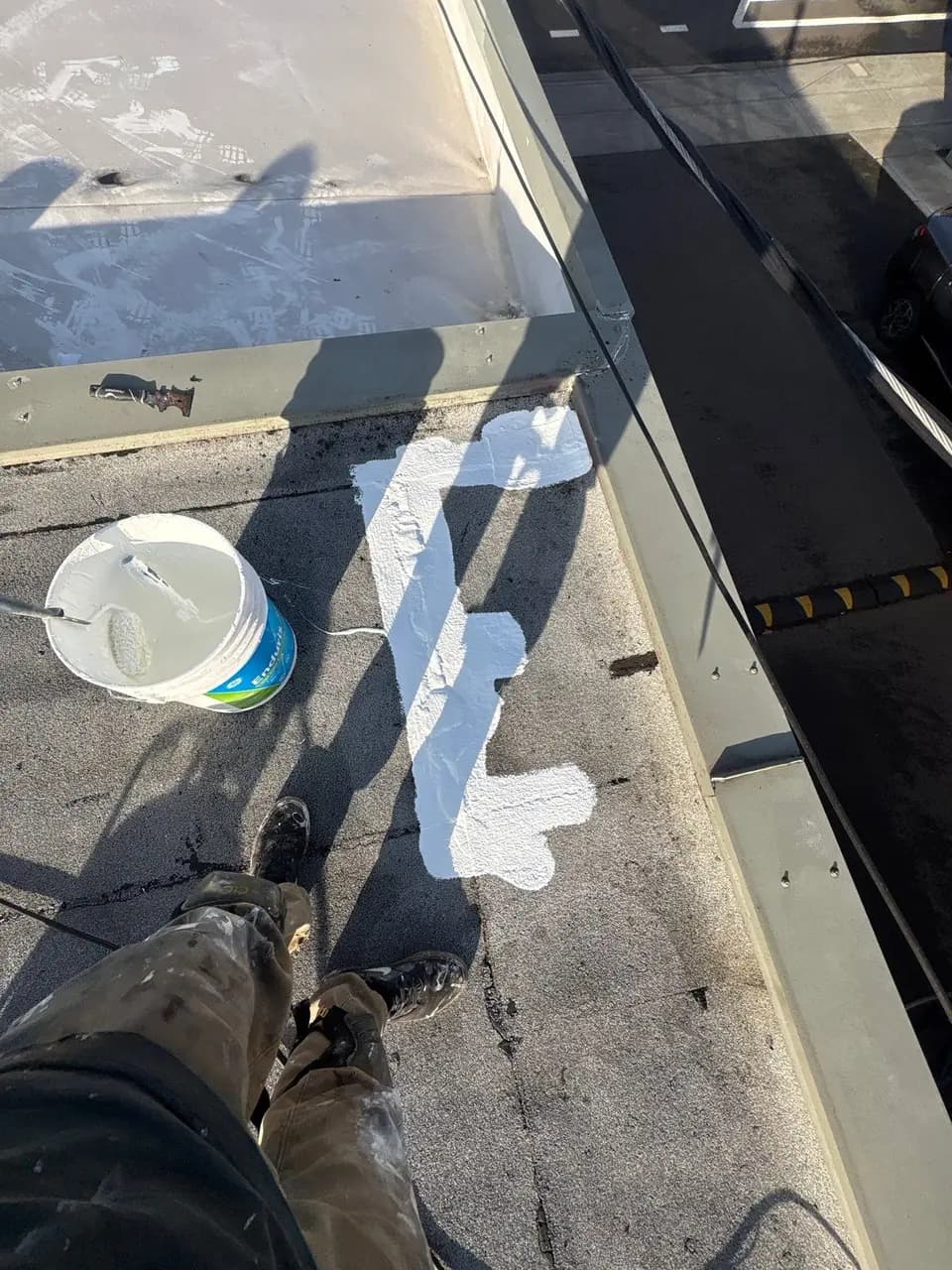
Photograph the interior symptom, note when it started and the weather, identify the affected room or roof zone, and call with the property address and access details.
Flat Roof LLC accepts urgent commercial leak calls during business hours, Monday through Friday, 8 AM–5 PM. Timing depends on location, weather, safe access, current calls, and crew availability.
Call (971) 339-4299A ceiling drip shows where water reached the occupied space. It may not show where the roof first opened. Water can move through insulation, along the deck, around curbs and penetrations, or across drainage zones before it becomes visible below.
The urgent job is to connect what the building team sees inside with the roof system and surrounding conditions outside. That keeps the next move focused on the failure path instead of another blind patch above the stain.
Active dripping, wet ceiling materials, slippery floors, or water near equipment can disrupt tenants, patients, staff, inventory, and normal building operations.
Wind, falling debris, displaced materials, punctures, or overwhelmed drainage may create an urgent opening that needs roof-level evaluation when conditions allow.
A symptom that changes with rain, appears in more than one area, or returns after prior patches may point to water travel or a condition beyond one visible opening.
Emergency does not mean guessing. The response still has to account for people, weather, access, the existing roof system, and the difference between short-term protection and a responsible permanent repair.
Call with the property address, affected interior area, when the leak started, whether water is entering now, and any immediate access or operational constraints.
The team reviews location, weather, roof and interior access, known roof information, current calls, and crew availability before setting the responsible next step.
When conditions allow, relate the interior evidence to seams, flashing, penetrations, curbs, edges, drains, prior repairs, and the surrounding roof assembly.
Depending on what is found, the next work may be temporary stabilization, a permanent repair, or a documented follow-up scope for broader roof conditions.
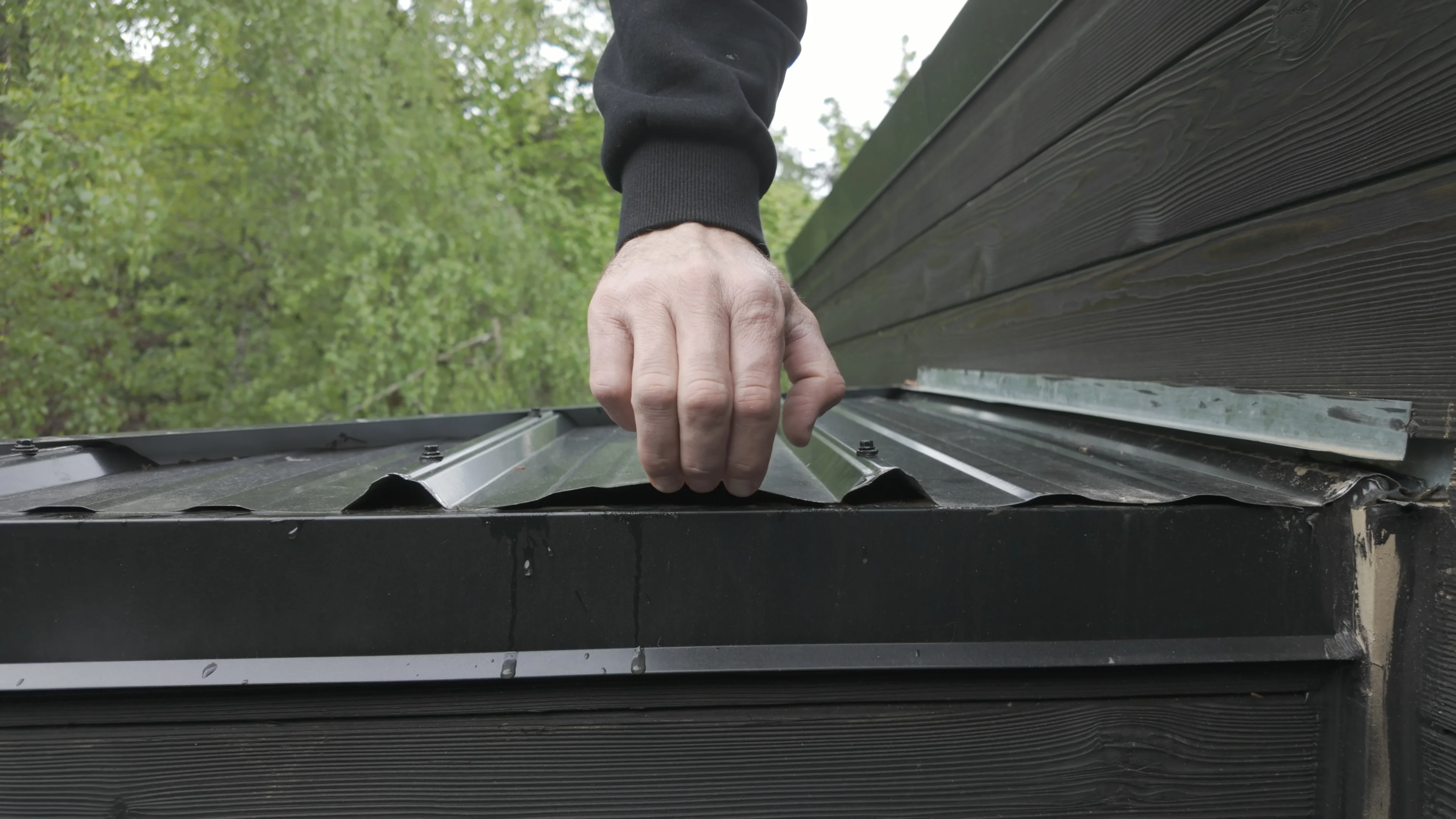
The exact response changes with the property, roof system, weather, safe access, and the depth of damage. These are the conditions most likely to shape the first visit and the work that follows.
Some urgent conditions can move directly to a compatible permanent repair. Active weather, unsafe access, unavailable materials, trapped moisture, or broader assembly damage may require short-term stabilization and a separate follow-up scope instead.
Compare all service pathsA verified commercial customer described Flat Roof LLC handling a short-notice emergency repair before the larger project was underway, then coordinating the work around an active medical practice. Her review highlighted communication and care for patients, staff, and equipment—not just the roof work itself.
The situation is urgent, but the answer still depends on the building, the weather, safe access, and what the roof assembly is actually showing.
Talk with Flat Roof LLC(971) 339-4299No. Flat Roof LLC is not advertising 24/7 emergency availability. Call during business hours, Monday through Friday from 8 AM to 5 PM. Response timing depends on the property location, weather, safe access, current calls, and crew availability.
Keep people clear of wet floors, ceiling materials, and water near electrical equipment or building systems. Follow the property’s emergency procedures, protect movable property only when it is safe, document the symptom, and call. Do not access a wet roof or cut into building materials to search for the leak.
Not always. Water can travel through insulation, along the deck, around penetrations, or across drainage zones before appearing inside. Interior evidence helps narrow the starting area, but the roof and surrounding details still need to be evaluated.
It may, but that cannot be promised before the conditions are known. The responsible first step could be a permanent repair, temporary stabilization, or a documented follow-up scope depending on weather, access, roof-system compatibility, moisture, materials, and the extent of damage.
Have the property address, building type, affected room or area, when the leak started, whether water is entering now, photos if safely available, known roof system or age, prior repair history, and roof/interior access notes.
Yes, subject to the property and project conditions. Flat Roof LLC has verified customer proof from an active medical practice where the team coordinated work around patients, staff, and equipment. Access, safety, communication, and operational constraints still need to be planned for each site.
For an active commercial leak, call with the property address, affected area, timing, weather, access, and known roof details. Use the assessment form for a documented follow-up request when the situation can wait.