
01
Water is entering or returning
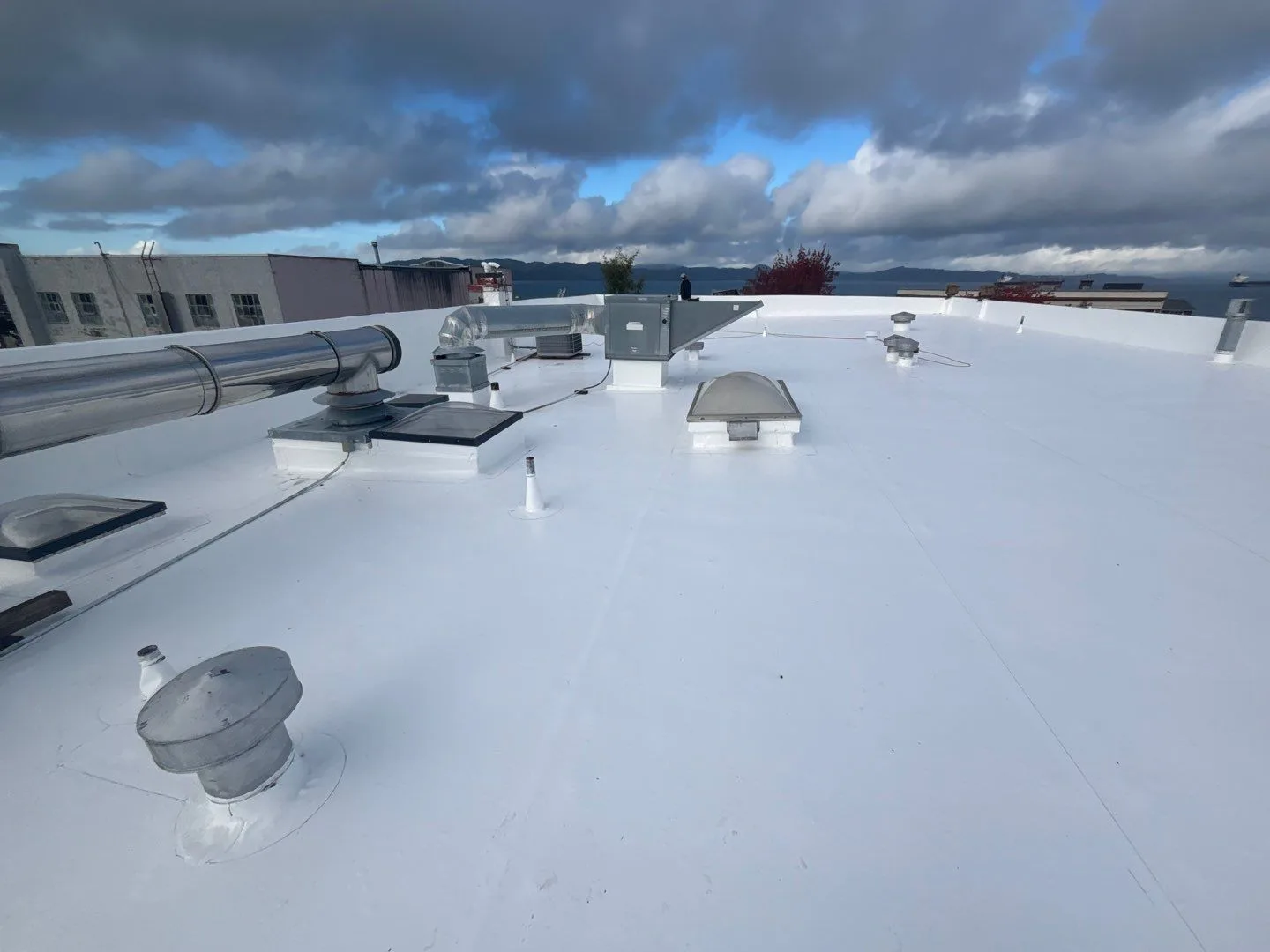
A recurring leak may involve membrane details, flashing, penetrations, drainage, prior work, or water traveling before it appears inside.
Plan the next responsible step for a Portland commercial property—from condition assessment and focused repair to maintenance, restoration, overlay, installation, or replacement.
Commercial roofing plans for local warehouses, retail buildings, offices, healthcare spaces, and mixed-use properties should start with building use, roof history, drainage, access, penetrations, and accessible assembly conditions—not one standard package.
Our services start with the concern, then separate maintenance or focused repair from restoration, overlay, installation, or replacement.
A recurring leak may involve membrane details, flashing, penetrations, drainage, prior work, or water traveling before it appears inside.
Repair, restoration, overlay, and replacement solve different conditions. The existing system and accessible assembly should guide the scope.
Tenant schedules, access, rooftop equipment, deliveries, noise, debris, and interior protection can shape the plan.
Oregon weather, roof access, public right-of-way, and permit needs can affect a city project. Exact approvals and schedules remain site-specific.
The National Weather Service documents Portland’s wet winters. Drainage, ponding indicators, and workable dry-weather windows deserve early attention.
NWS climate referencePBOT says temporary street-use permits can cover reserved parking, sidewalk or lane closures, construction activity, and crane lifts. Applicability is site-specific.
PBOT temporary street useOregon requires compensated construction work—including roofing—to be performed by CCB-licensed contractors. Our Oregon license is CCB #226463.
Oregon Construction Contractors BoardThese are representative planning scenarios—not claims about completed Flat Roof LLC projects. They show how property type and operations can change the commercial roofing decision.
A broad low-slope system may combine long drainage runs, penetrations, loading activity, equipment curbs, and little tolerance for water near inventory. Planning should connect leak history and drainage zones with access and operating priorities.
Customer entrances, shared walls, tenant hours, rooftop HVAC, and visible staging areas can matter as much as the membrane. Phasing should match how the property functions below.
Sensitive occupants, equipment, finishes, and appointment schedules may require tighter access planning, daily cleanup, and coordination before repairs or larger work begins.
A clear commercial roofing process gives planned care, repair, and capital decisions one starting point. The services considered should follow observable conditions and constraints that can actually be planned.
Start with building use, symptoms, history, known system, access, operating constraints, and the decision the property team needs to make.
Relate interior evidence, when applicable, to surfaces, seams, transitions, curbs, penetrations, edges, drainage, and prior repair areas.
Separate repair and planned care from restoration, overlay, installation, or replacement without treating concealed conditions as known facts.
Account for weather, access, staging, required permits, occupied areas, rooftop equipment, materials, and site-specific safety before scheduling.
Roof performance can depend on drainage, insulation, deck condition, vapor behavior, transitions, rooftop use, and material compatibility. Responsible service selection considers the whole assembly.
Review visible wear, punctures, laps, coatings, prior patches, and how the membrane meets perimeter and rooftop details.
Look at drains, scuppers, overflow paths, ponding indicators, debris, and changes that may concentrate water.
Accessible evidence of moisture, deterioration, movement, or unsuitable substrate can change the responsible scope.
Curbs, vents, walls, skylights, pipes, edges, and adjoining construction often require compatible detailing rather than a generic patch.
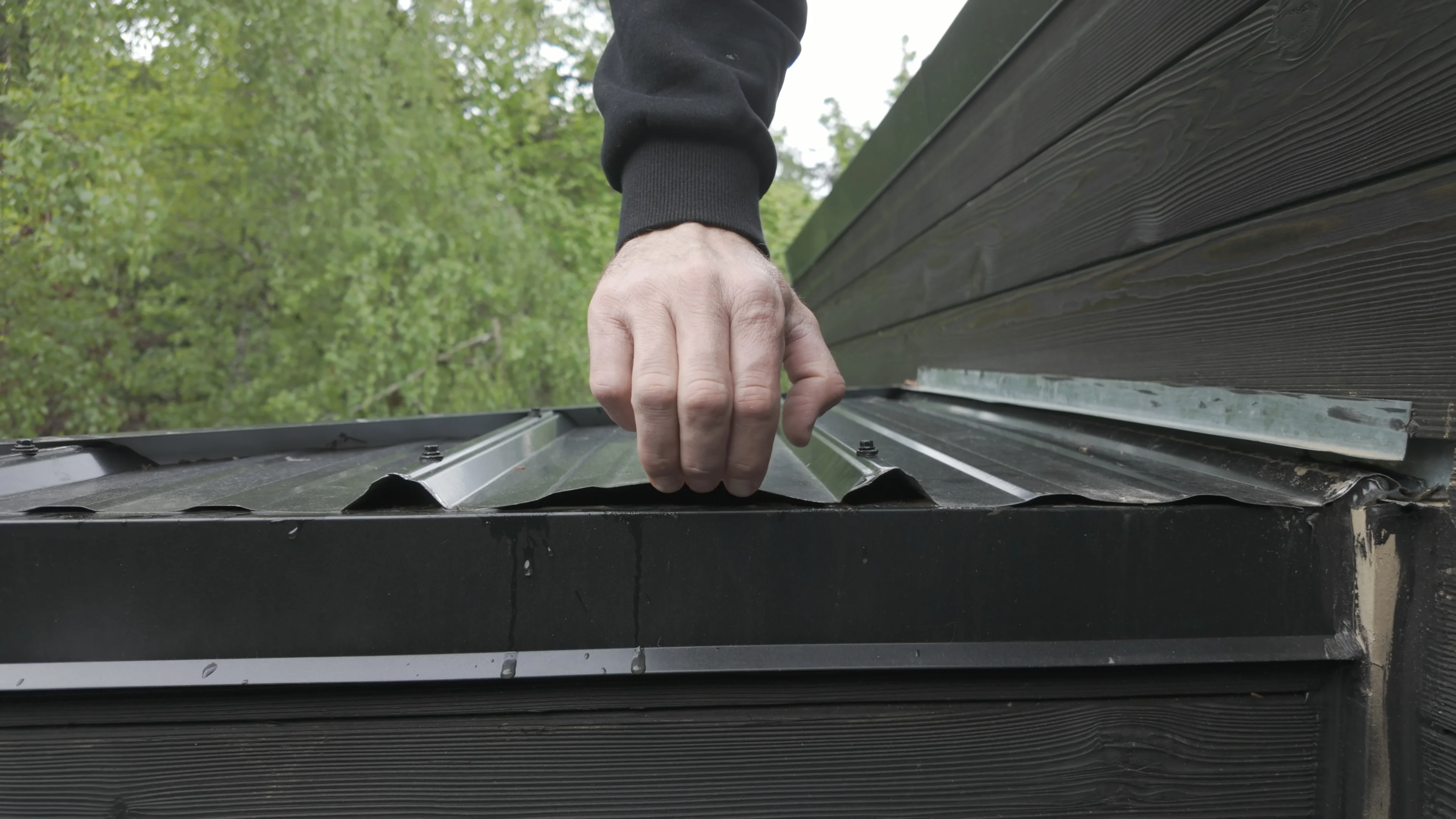
We match commercial roofing services to current needs and what the existing system can support for Oregon properties. Each service may range from focused repair to broader capital scope when another patch would only defer the problem.
Urban sites can involve constrained loading areas, shared parking, tenant entrances, roof access, equipment, neighboring properties, and public right-of-way near staging. Review logistics before mobilization.
Permits, temporary street or sidewalk use, equipment placement, delivery, protection, noise or odor sensitivity, and weather depend on the property and scope.
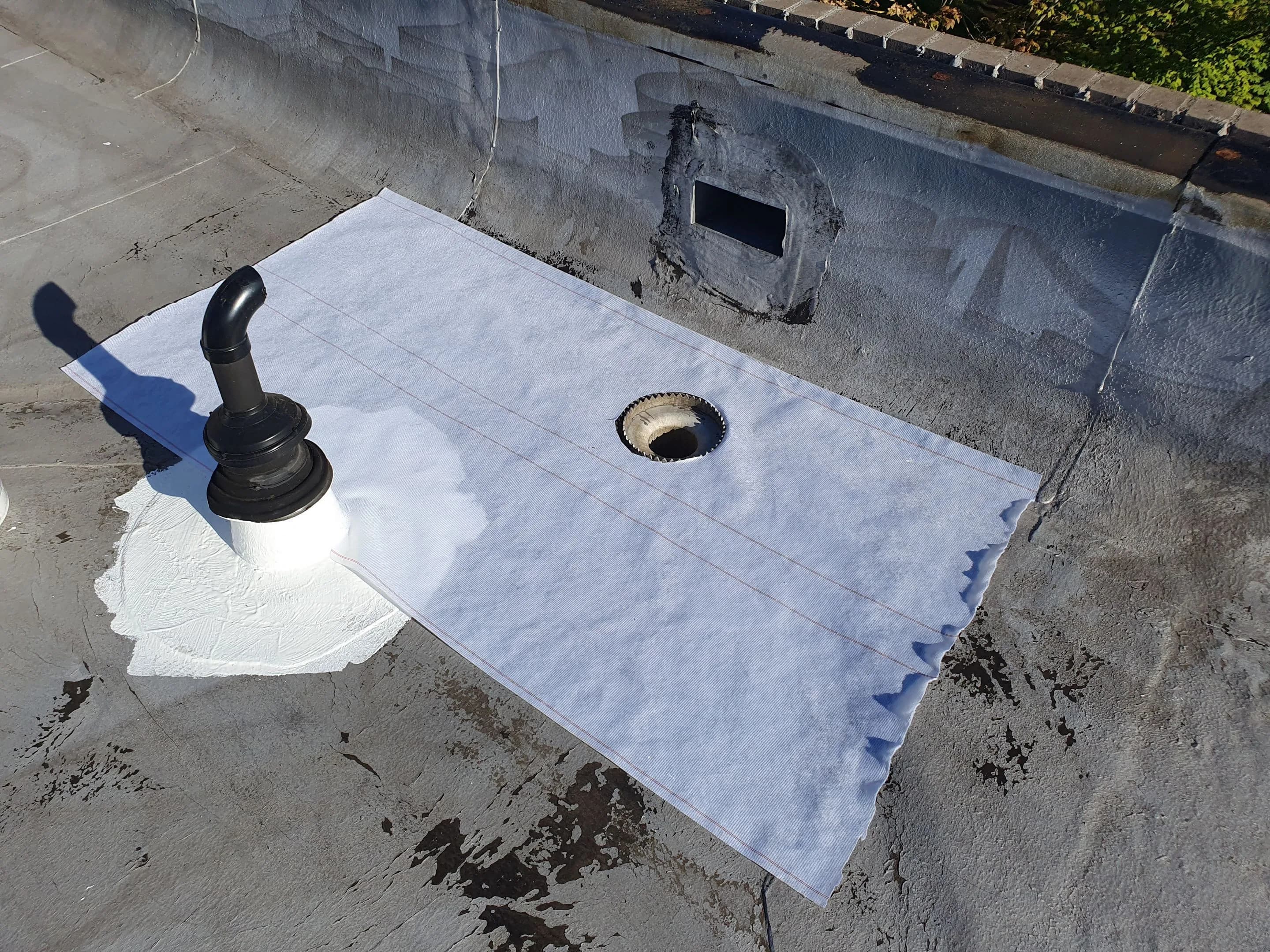
A focused repair may fit a limited issue with serviceable surrounding materials. Repeated leaks, widespread moisture or deterioration, multi-zone failures, or an exhausted assembly can justify broader roofing solutions.
Compare all service pathsA verified customer described a short-notice repair before larger work at an active medical practice. Her review highlighted communication, punctuality, cleanliness, and care for patients, staff, and equipment. This verifies occupied-building coordination; it is not presented as a Portland project.
Answers depend on the system, building use, safe access, and scope. Early planning should not turn a web page into a diagnosis or proposal.
Talk with Flat Roof LLC(971) 339-4299Services include inspections, leak response, repair, maintenance, restoration, overlay, installation, and replacement planning. The path depends on the existing system, accessible conditions, building use, and constraints.
Flat and low-slope systems are our specialty, not our limit. We also consider qualifying commercial metal and steep-slope systems, confirming fit and scope for each property.
Sometimes. Repair may fit a limited concern when the existing roof and surrounding materials remain serviceable and a compatible solution is available. Repeated leaks, widespread moisture, deterioration, or assembly problems may justify broader evaluation.
Requirements depend on the work and property. Structural or assembly changes, rooftop equipment, and public right-of-way may be treated differently from covering-only work. Verify project-specific needs before mobilization.
Yes, subject to the property and scope. Discuss access, deliveries, noise, debris control, interior protection, rooftop equipment, sensitive areas, and communication before scheduling.
Applicable systems include TPO, PVC, EPDM, modified bitumen, built-up roofing, silicone-restored roofs, commercial metal, IB Roof Systems, and TUF-DEK. Compatibility and existing conditions shape the options.
Terms depend on the property and scope. Share the concern, access details, and known system information, and we’ll confirm the next step and applicable terms.
Send the address, building use, affected area, timing, safely available photos, known system or age, repair history, operating constraints, and access details. Never enter a wet or unsafe area to collect information.
Share the address, building use, history, symptoms, access, safely available photos, and operating constraints. We’ll use that context to confirm the responsible next conversation.