
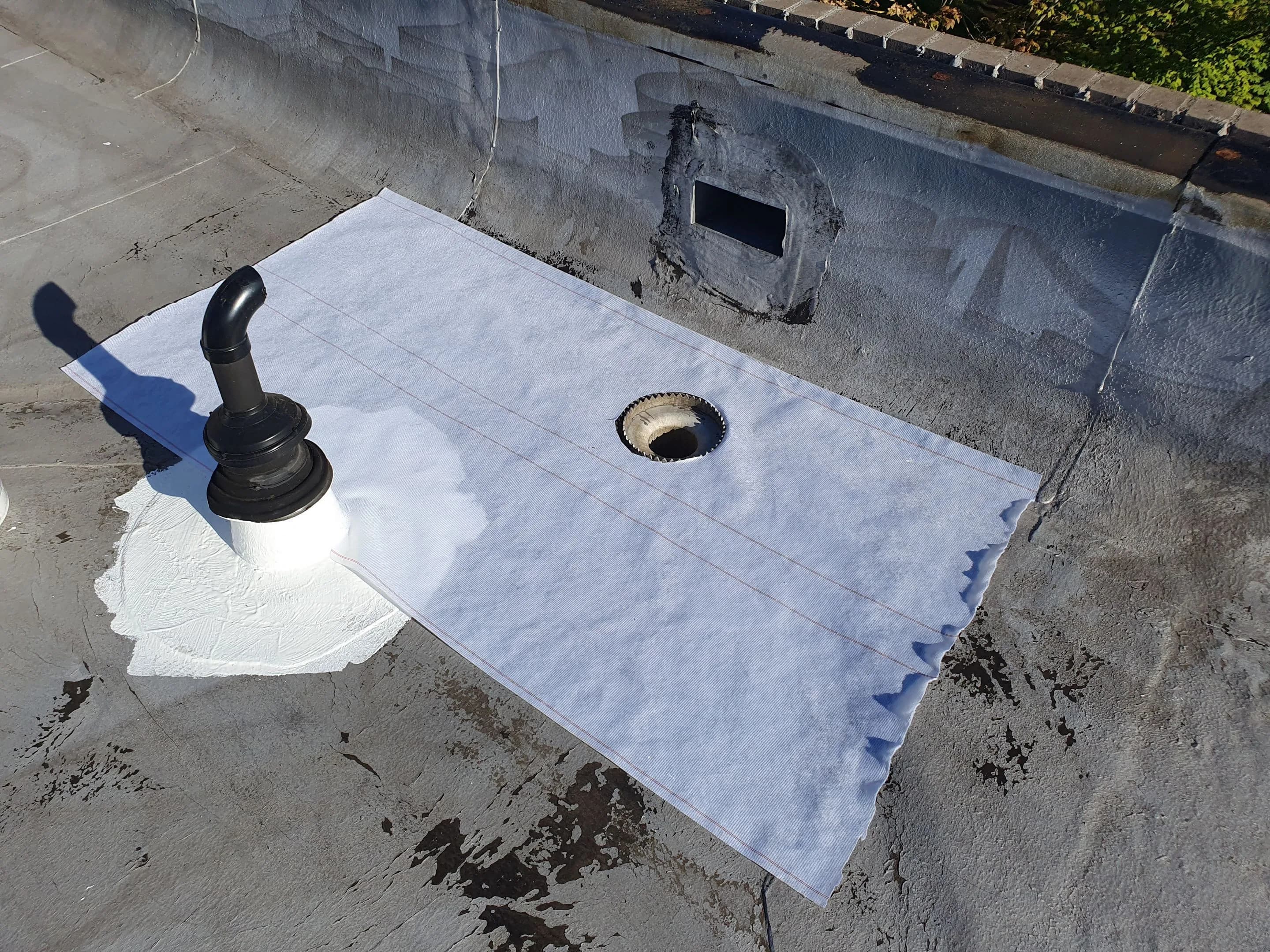
01
An EPDM roof is leaking or weathered
Seams, flashings, penetrations, perimeter, punctures, drainage, prior repairs, moisture, and substrate conditions need to be reviewed together.
Assess EPDM as a complete commercial roof assembly—connecting the field system to the deck or substrate, supporting layers, attachment, drainage, perimeter, penetrations, and building operations.
Ethylene propylene diene monomer, or EPDM, is a thermoset synthetic-rubber single-ply membrane used in commercial low-slope roof systems.
Unlike thermoplastic membranes, EPDM field seams are not hot-air welded; manufacturer-specific primers, tapes, adhesives, flashings, and accessories complete the field and details. Flat Roof LLC evaluates those mechanics together with the existing roof, supporting layers, drainage, transitions, rooftop use, access, and the property’s intended project path.
Seams, flashings, penetrations, perimeter, punctures, drainage, prior repairs, moisture, and substrate conditions need to be reviewed together.
The approved substrate, supporting layers, attachment, sheet layout, details, and drainage need a project-specific plan.
Seam mechanics, attachment, rooftop exposure, traffic, color and product options, existing materials, details, and property goals belong in the comparison.
EPDM may fit new construction, repair, and reroofing when the deck, supporting layers, attachment, perimeter, drainage, details, existing materials, and current manufacturer requirements align.
Coordinate the deck or substrate, supporting layers, attachment, field system, perimeter, drainage, penetrations, and current project requirements before installation.
Trace the failure path, identify the existing materials and details, check surrounding conditions, and use a compatible repair approach for the defined problem.
Determine what can responsibly remain, what must be removed or rebuilt, and how the proposed work will connect to edges, drains, equipment, walls, and transitions.
Flat Roof LLC starts with the roof and building conditions, narrows the responsible system and project path, then carries the selected scope through field work, critical details, drainage, and closeout documentation.
Document the current field system, visible condition, prior work, leak history, drainage, perimeter, penetrations, equipment, and accessible substrate or deck concerns.
Compare the building use, exposure, project constraints, compatibility, attachment, supporting layers, details, and current system requirements before recommending EPDM.
State what remains, what changes, how the field system will be installed or repaired, and how every transition and water path will be completed.
Review the installed or repaired field, seams or laps, flashings, terminations, drainage, perimeter, penetrations, and finished conditions; retain useful closeout records.
No universal layer stack or installation method applies to every property. The selected product, assembly, details, and current requirements control the final scope.
Identify the support surface, fastening capacity, deterioration, transitions, and preparation required for the selected assembly.
Coordinate insulation, moisture conditions, vapor-related requirements, cover board where specified, and tapered components.
The selected manufacturer assembly may be adhered, mechanically attached, ballasted, or use another recognized configuration where the project supports it.
Plan sheet layout, field securement, perimeter zones, traffic protection, and compatibility with adjoining materials.
Use current system-specific primers, tapes, adhesives, uncured flashing materials, accessories, and terminations at laps and transitions.
Resolve low areas, drains, scuppers, overflow, equipment routes, rooftop work, and recurring maintenance access.
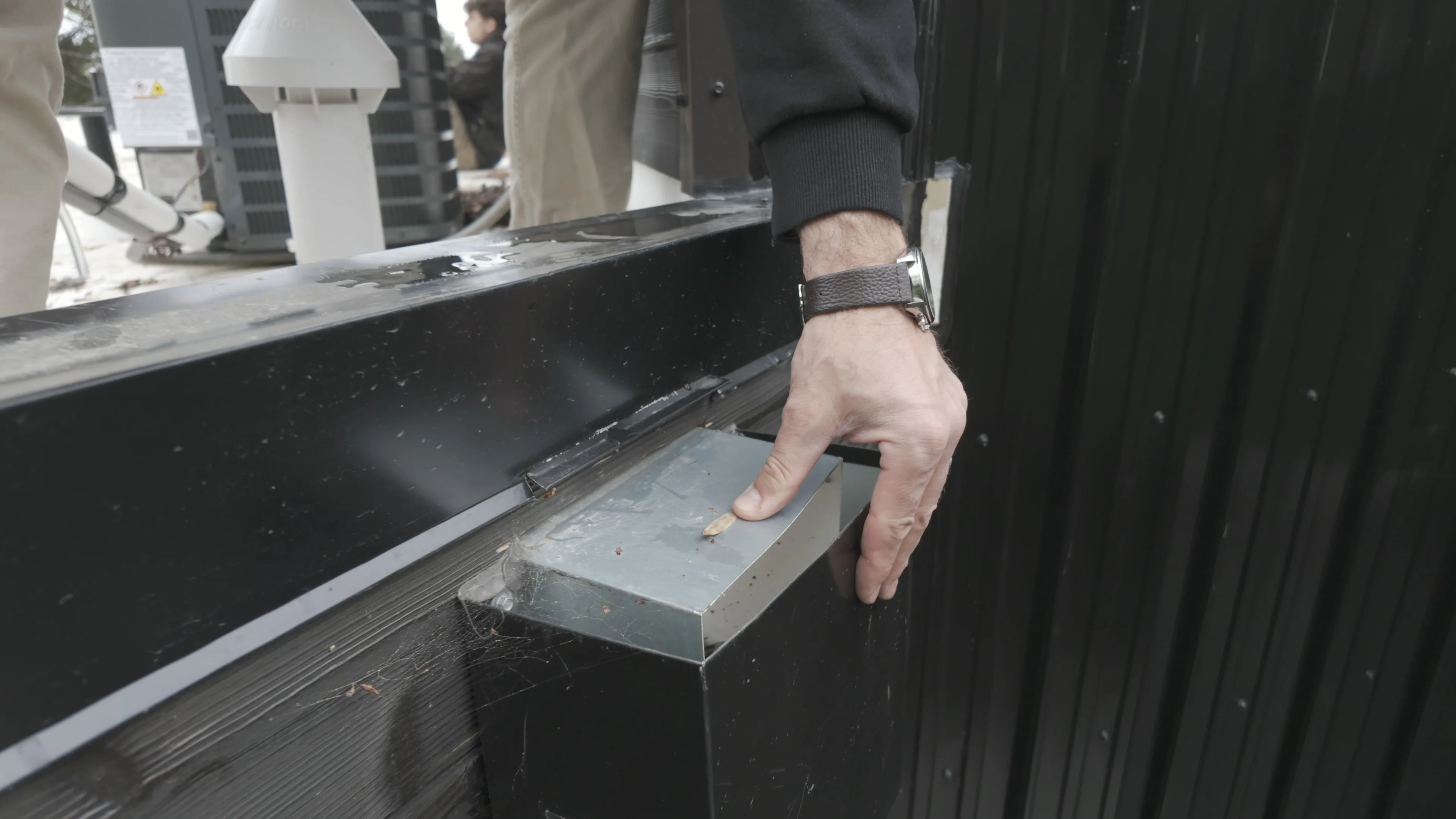
The proposal should identify the current condition, project path, complete assembly, preparation, field work, critical details, exclusions, and any conditions that require more investigation.
EPDM work may affect roof access, staging, tenants, deliveries, rooftop equipment, interior areas, and other trades. Those constraints belong in the plan before field work begins.
Flat Roof LLC can coordinate access, document conditions before and during the project, and keep the property team informed as the scope moves from assessment through closeout.
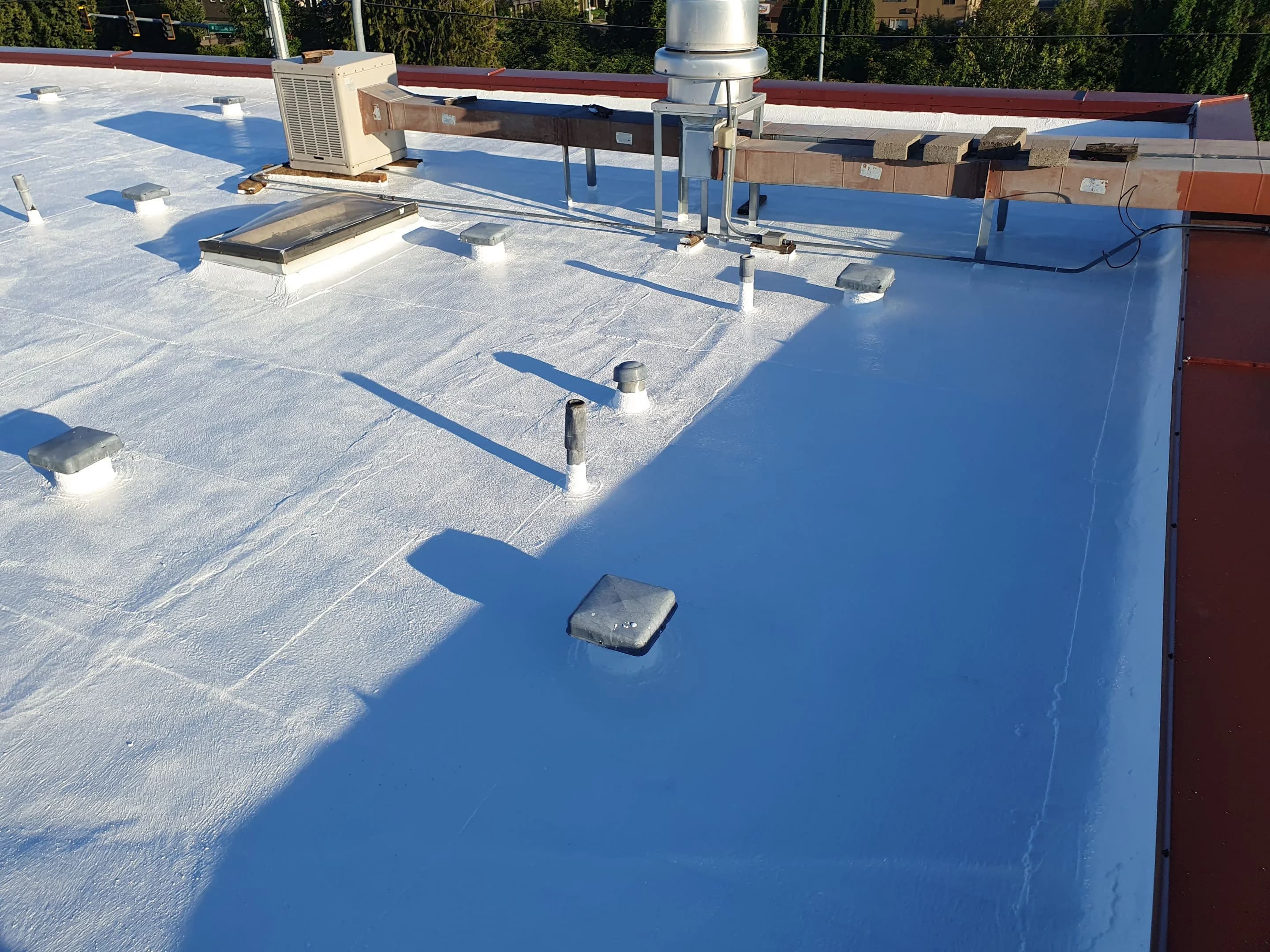
EPDM can be a strong commercial low-slope option, but the membrane family does not override compatibility, attachment, exposure, detail geometry, drainage, moisture, or the building’s project goal.
Compare all service pathsA useful proposal begins with the current roof, the building, and the intended project path. The system name alone cannot define scope, price, service life, or warranty.
Talk with Flat Roof LLC(971) 339-4299EPDM is a thermoset synthetic-rubber single-ply membrane used on commercial low-slope roofs. The complete assembly includes its substrate or deck, supporting layers, attachment, field membrane, seams, flashings, terminations, perimeter, penetrations, and drainage.
No. EPDM is a thermoset material. Field seams and details use manufacturer-specific primers, tapes, adhesives, flashing materials, and accessories rather than hot-air welding.
Often, if the failure can be defined and compatible materials are available. Membrane condition, contamination, moisture, prior repairs, seams, flashings, substrate, drainage, and surrounding serviceability still need evaluation.
Possibly, but not by default. Existing materials, moisture, deck and attachment, perimeter height, penetrations, drainage, code and project requirements, and the selected manufacturer assembly must support the overlay.
EPDM is a thermoset synthetic-rubber membrane with taped or adhered system details. PVC and TPO are thermoplastic membrane families whose field seams are joined with hot air. The complete assembly and building conditions still matter more than one material feature.
No. Product color and surface properties may be comparison inputs, but insulation, climate, building use, exposure, details, drainage, attachment, maintenance, and project requirements also shape the responsible choice.
No fixed lifespan or warranty should be assumed from the EPDM name. Product, assembly, details, installation, exposure, drainage, traffic, maintenance, eligibility, and current manufacturer documents can all affect service life and coverage.
Roof area, tear-off or overlay eligibility, wet materials, deck repair, supporting layers, attachment, field and perimeter design, penetrations, drainage, access, staging, and operating constraints all affect scope.
Share the address, building use, known roof system and age, leak or drainage concerns, prior work, rooftop equipment, access, and whether the goal is repair, restoration, overlay, replacement, or a new assembly.