
01
The roof is aging but may be restorable
Broader weathering does not always require tear-off. An assessment can determine whether the existing assembly is stable, compatible, and suitable for a restoration path.
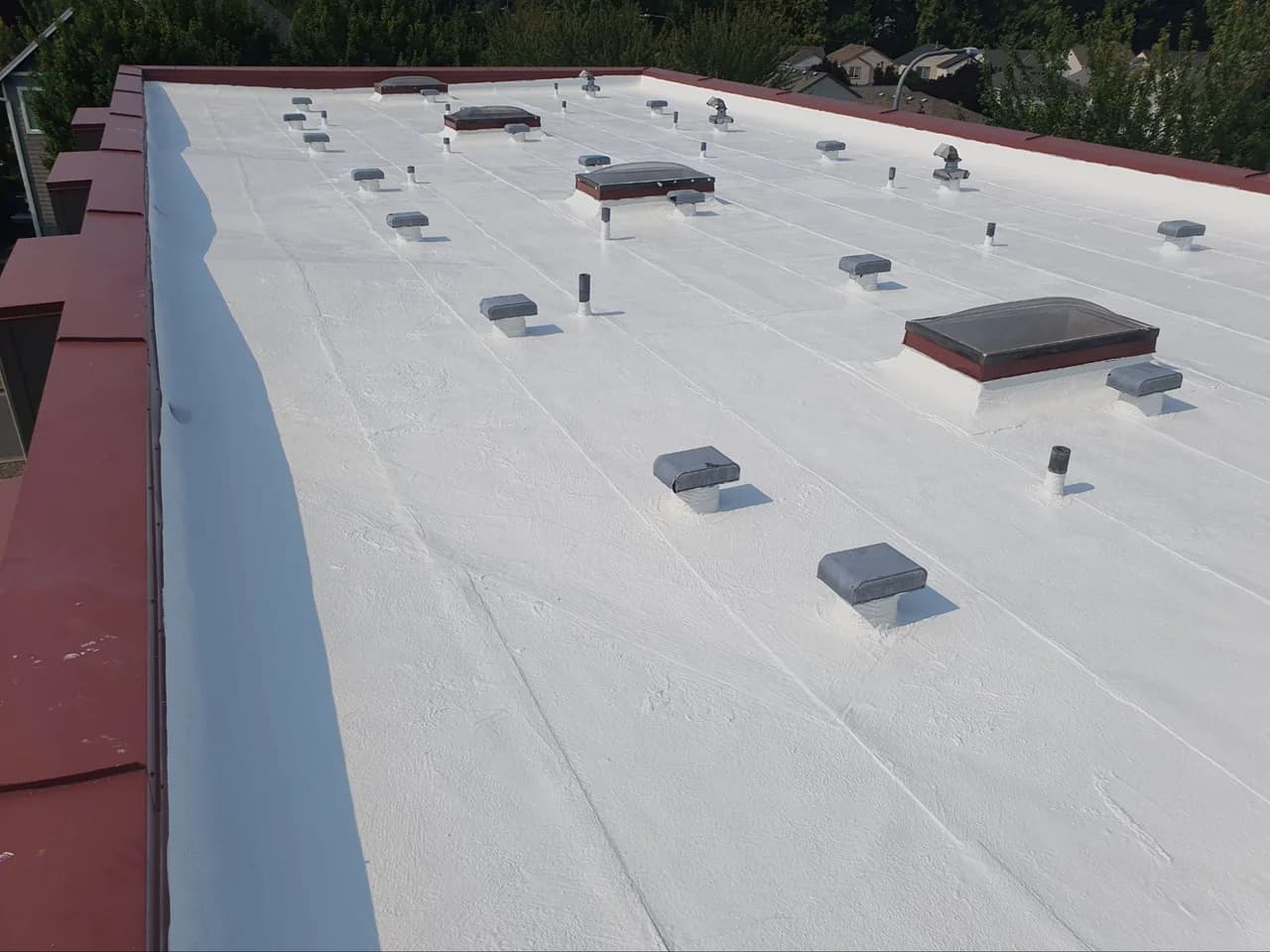
Restore an eligible commercial roof in place by preparing the existing surface, correcting defined conditions, reinforcing vulnerable details, and bringing the field, seams, edges, drains, vents, curbs, and transitions into one coordinated silicone system.
GE LifeShield is a silicone roof-restoration path for eligible existing commercial roofs. The current assembly is cleaned and prepared, compatible primers are used where required, defined repairs are completed, and the roof field and details are integrated into the finished system.
Eligibility comes first. Existing leaks, wet or deteriorated materials, drainage concerns, adhesion, substrate compatibility, and vulnerable details all affect whether restoration is responsible—or whether repair, overlay, or replacement should be considered instead.
Broader weathering does not always require tear-off. An assessment can determine whether the existing assembly is stable, compatible, and suitable for a restoration path.
Seams, edges, walls, drains, pipes, vents, curbs, fasteners, and transitions must be addressed as part of the system—not left as exceptions around a coated field.
A restoration scope can give the property team a defined record of starting conditions, preparation, detail treatment, installation, and finished work.
The field surface, details, drainage, and documentation belong in one plan. The exact preparation and installation still depend on what the existing roof can support.
Review the roof type, surface condition, leak history, moisture indicators, drainage, adhesion considerations, perimeters, penetrations, and other details that affect restoration eligibility.
Define cleaning, repairs, material replacement, drainage work, and other preparation needed before a restoration system can be considered ready for installation.
Address seams, edges, walls, drains, pipes, vents, curbs, fasteners, caps, and transitions with compatible preparation and reinforcement where the scope requires it.
Apply the specified silicone restoration across the prepared roof, record key installation stages and finished conditions, and organize the project closeout for the property team.
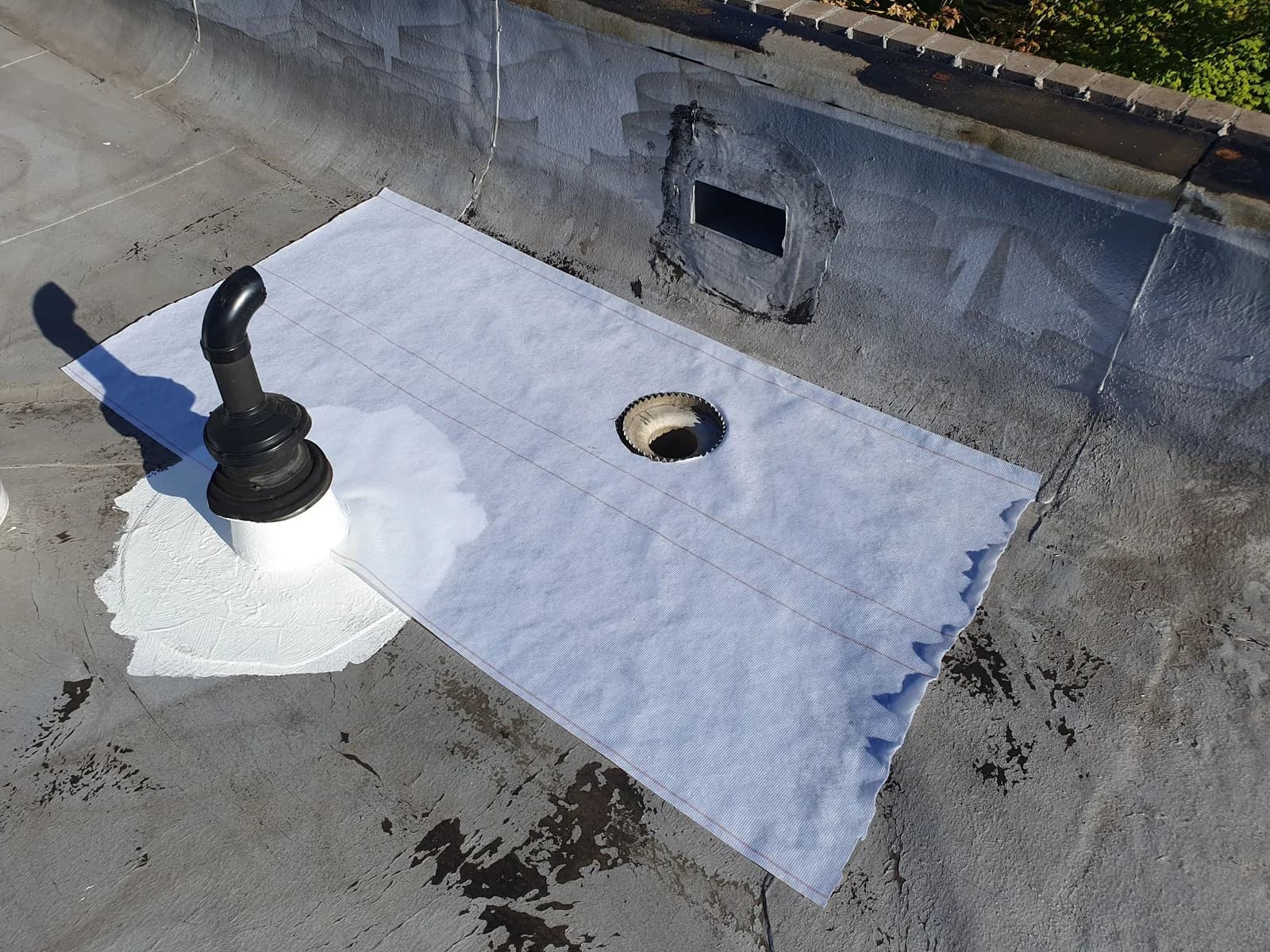
The current roof has to provide a suitable starting point. Preparation and detail work connect the silicone field to the working parts of the roof so the finished scope is treated as a system rather than a paint application.
A restoration path may preserve a serviceable existing assembly while addressing broader surface and detail needs. Widespread moisture, deteriorated materials, incompatible conditions, structural or deck concerns, or a different capital objective may make repair, overlay, or replacement more responsible.
Compare all service pathsThe decision is less about whether silicone exists and more about whether the roof, preparation scope, and building plan make it the right system for this property.
Talk with Flat Roof LLC(971) 339-4299No. A responsible silicone restoration is a specified roof scope that includes eligibility review, cleaning and preparation, compatible primers where required, defined repairs, reinforcement and detail treatment, field application, and closeout documentation. It should not be applied as a cosmetic layer over unresolved conditions.
An active leak does not automatically disqualify the roof, but the source and surrounding condition must be evaluated first. Wet, soft, failed, or incompatible areas may require repair or removal before restoration; widespread problems may point to a different service path.
The current service record identifies TPO, EPDM, modified bitumen, built-up roofing, and commercial metal systems as potential candidates. Actual eligibility depends on the specific substrate, condition, adhesion, moisture, drainage, and preparation requirements.
Restoration can reduce tear-off compared with full replacement when the existing roof qualifies, but building operations still require project-specific planning. Access, odors, weather, rooftop equipment, sensitive occupants, safety zones, and preparation work all affect coordination.
The scope can organize the observed starting condition, preparation and repair work, key installation stages, product information applicable to the project, and finished conditions. Exact closeout records should be defined for the property before work begins.
Share the property, known roof system and age, leak or repair history, drainage concerns, rooftop equipment, access, and current priorities. Flat Roof LLC can then assess whether a GE LifeShield restoration deserves serious consideration.